When it comes to woodworking, construction, or DIY projects, having the right saw can make all the difference. From rough cuts to fine detail work, saws come in many shapes and sizes, each designed for specific tasks. In this guide, we’ll explore the main types of saws, their features, ideal use cases, and include a handy comparison table to help you make informed choices.
Best Saw for Each Job
- DIY Home Projects: Circular saws, jigsaws, and compact miter saws are ideal for cutting wood, plastic, or light metals around the house.
- Woodworking & Furniture: Table saws and band saws provide precision for cabinetry, furniture, and detailed cuts.
- Trim & Finish Work: Miter saws excel at angled cuts and accurate trim installation.
- Outdoor & Yard Work: Chain saws and pole saws handle trees, pruning, and firewood efficiently.
- Demolition & Retrofit: Reciprocating saws are best for demolition, cutting pipes, and retrofit projects in tight spaces.
- Metal Cutting: Chop saws or circular saws with metal blades are perfect for steel, aluminum, or conduit.
- Intricate Design Work: Scroll saws and fine jigsaws allow delicate curves and detailed cuts.
By matching the right saw to your project, you save time, improve accuracy, and reduce physical effort. Always consider portability, cutting capacity, and precision requirements before choosing your tool.
Table Saws
Table saws👀are a staple in workshops for a reason. They’re primarily used for straight cuts and ripping lumber to width, making them one of the most reliable tools for consistent, accurate results. The flat, stable table combined with an adjustable fence allows you to guide material smoothly through the blade, ensuring clean, repeatable cuts every time.
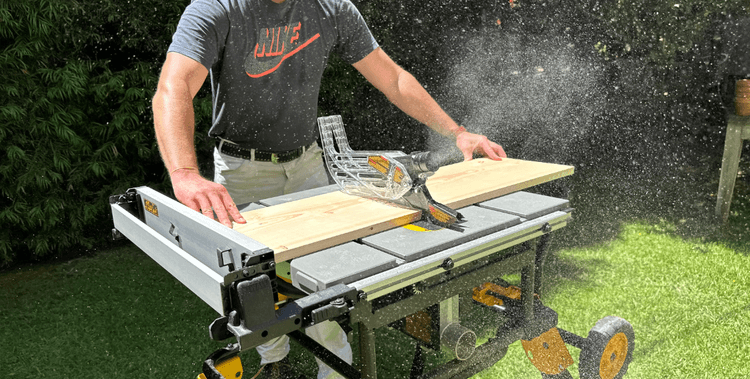
This level of precision makes table saws especially valuable for larger projects. They handle full sheets of plywood with ease and are ideal for cabinetry, furniture making, and any work that demands uniform dimensions. With the right setup and accessories, they can also perform crosscuts, dado cuts, and bevel cuts, making them one of the most versatile stationary saws in any workshop.
Pros: Precise, stable, great for repeatable cuts
Cons: Bulky, not portable
Circular Saws
Circular saws👀are portable and highly versatile, making them a go-to tool for both professionals and DIYers. They’re designed for straight cuts and can handle wood, metal, and plastic with the appropriate blade, giving them flexibility across a wide range of tasks.
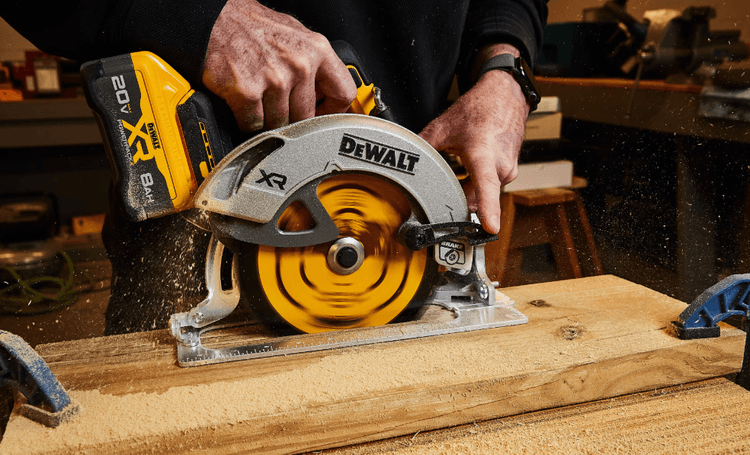
Cordless models offer excellent mobility, allowing you to move freely around a jobsite without worrying about power outlets, while corded versions provide consistent power for longer cutting sessions. Their compact design and ease of use make them ideal for construction work, framing, and quick cuts where speed and convenience matter more than ultra-fine precision.
Pros: Portable, versatile, easy to handle
Cons: Less precision compared to table saws
Miter Saws
Miter saws👀are designed for accurate crosscuts and angled cuts, making them ideal for trim work, framing, and finish carpentry. They’re especially useful when you need consistent, repeatable cuts at exact angles, such as when installing baseboards, crown molding, or creating clean joints.
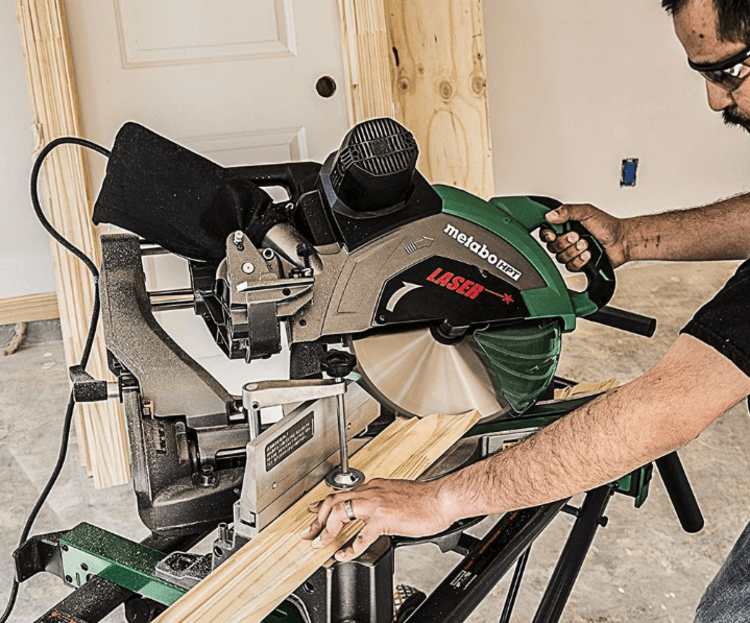
Compound miter saws add bevel functionality, allowing the blade to tilt for more complex cuts, while sliding versions extend the saw’s reach, making it easier to cut wider boards. This combination of precision, speed, and ease of use makes miter saws a must-have tool for detailed and professional-looking results.
Pros: Accurate, great for angles and trim
Cons: Limited rip capacity, fixed cutting width
Band Saws
Band saws👀are excellent for cutting curves, resawing thick lumber, and handling irregular shapes that other saws struggle with. Their continuous loop blade moves smoothly through the material, allowing for controlled cuts with less waste and reduced kickback compared to other saw types.
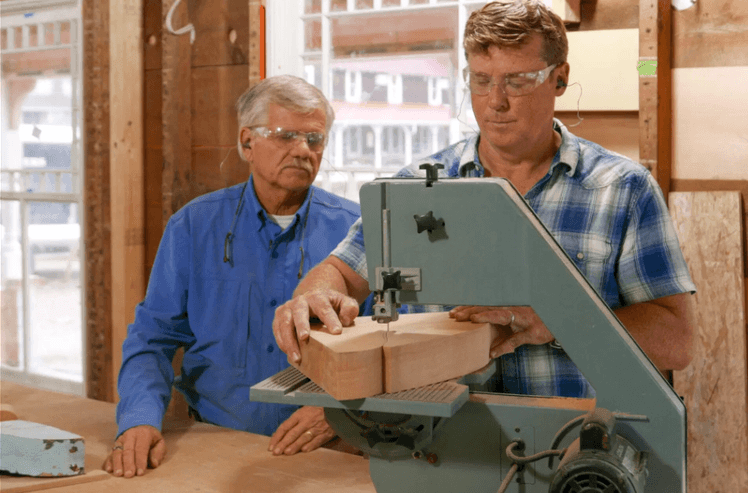
They come in various sizes, from compact benchtop models to large floor-standing machines, making them suitable for both hobbyists and professional workshops. Band saws are particularly valuable for tasks like cutting intricate shapes, slicing veneers from thicker boards, and working with larger or uneven pieces of wood, offering a great balance of precision and versatility.
Pros: Curves and resawing, versatile
Cons: Takes up workshop space, slower cuts than table saws
Chain Saws
Chain saws👀are designed for heavy-duty outdoor tasks like felling trees, cutting firewood, and pruning large branches. Their fast-moving chain and powerful motor allow them to remove material quickly, making them one of the most efficient tools for handling thick wood and dense logs.
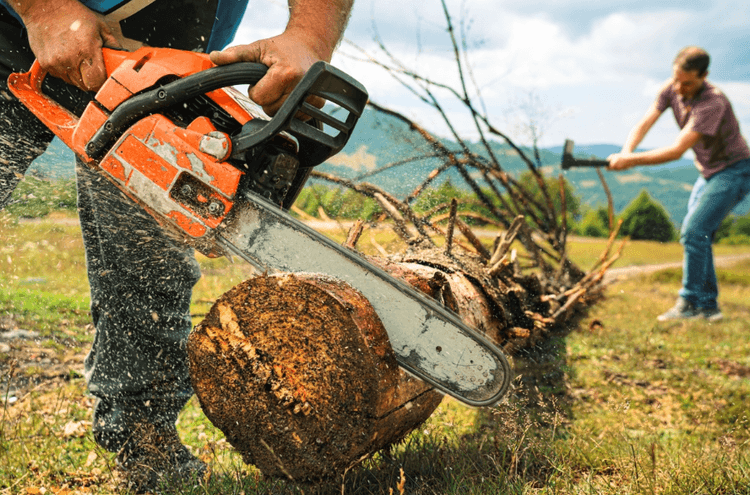
They come in both gas and electric versions, with a range of bar lengths suited to different jobs—from light pruning to cutting down large trees. Electric models are quieter and easier to maintain, while gas-powered saws offer greater mobility and power for demanding work. Choosing the right size and type ensures safer operation and better performance for the task at hand.
Pros: Powerful, fast material removal
Cons: Heavy, requires safety precautions
Scroll Saws
Scroll saws👀are designed for intricate cuts and detailed work, making them ideal for craft projects, decorative pieces, and fine woodworking. Their thin, narrow blades allow for tight curves, sharp turns, and delicate patterns that would be difficult or impossible with larger saws.
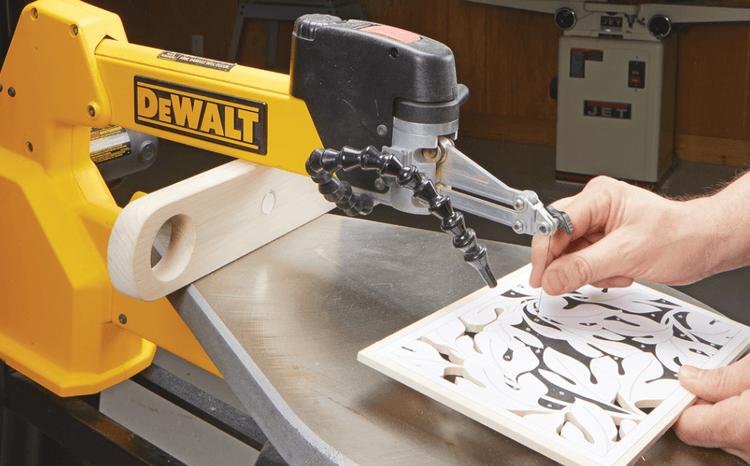
They offer excellent control and precision, especially when working with thin materials like plywood, softwood, or even plastic. This makes them a favorite for creating detailed designs, lettering, and complex shapes. While not suited for heavy-duty cutting, scroll saws excel in accuracy and finesse, making them essential for hobbyists and artisans focused on fine detail work.
Pros: Highly precise, great for fine work
Cons: Not suitable for thick or heavy materials
Jigsaws
Jigsaws👀handle both straight and curved cuts, making them one of the most versatile handheld saws available. Their compact, lightweight design makes them easy to maneuver, especially when working on detailed cuts or in tight spaces where larger tools wouldn’t fit.
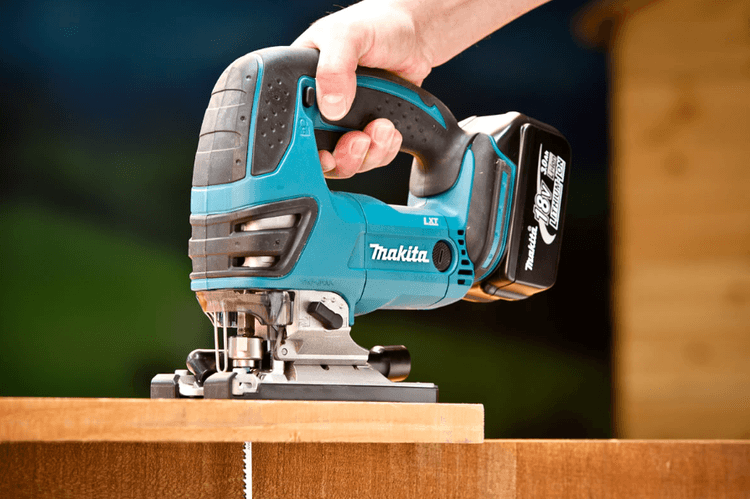
Orbital action improves cutting efficiency by adding an aggressive forward motion to the blade, allowing faster cuts in wood and softer materials. With the right blade, jigsaws can also cut metal, plastic, and laminate. While they may not match the precision of stationary saws, their flexibility and portability make them an essential tool for DIYers and professionals alike.
Pros: Portable, versatile, good for curves
Cons: Less precise than miter or table saws
Pole Saws
Pole saws👀extend your reach for pruning and trimming trees, allowing you to cut high branches without the need for ladders. This makes them a safer and more efficient option for maintaining tall trees and overgrown areas.
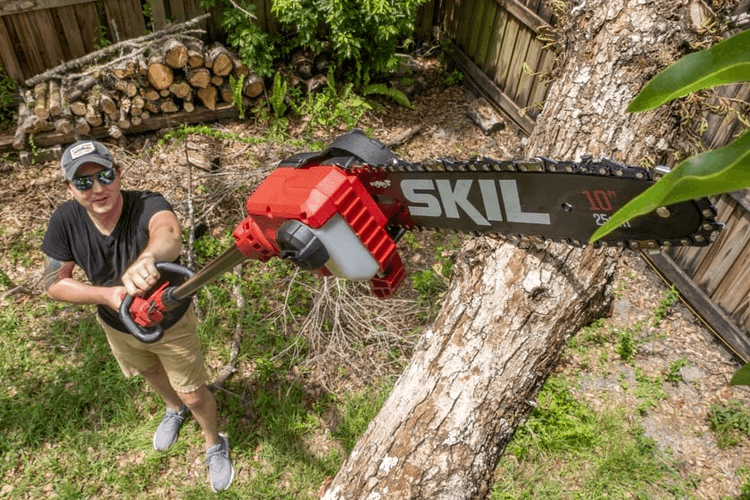
They come in both manual and powered versions, including electric and gas models, each suited to different levels of work. Powered pole saws make cutting thicker branches easier with less effort, while manual versions are lightweight and simple to use. Overall, they’re an essential tool for homeowners and landscapers who need to manage tree growth safely and effectively.
Pros: Reach high branches without ladders
Cons: Limited cutting capacity, fatigue during extended use
Chop Saws
Chop saws are stationary tools primarily used for cutting metal quickly and efficiently. They’re commonly used in construction and metalworking for cutting steel bars, pipes, and other tough materials. Depending on the model, they use either abrasive discs or toothed blades to deliver fast, straight cuts with minimal effort.

The design is simple and effective: a powerful motor drives the blade downward onto the material, ensuring consistent results. While they excel at speed and durability, chop saws are limited to straight cuts and are not suited for detailed or angled work. For repetitive metal cutting tasks, however, they are a reliable and highly efficient choice.
Pros: Fast, precise for metals
Cons: Limited to straight cuts, not portable
Reciprocating Saws
Reciprocating saws👀are the go-to tool for demolition, remodeling, and cutting in tight or hard-to-reach spaces. They can easily handle a wide range of materials, including wood, metal, PVC, and composites, making them essential for both professionals and DIY enthusiasts. Their versatile blades allow you to tackle everything from rough structural cuts to plumbing and electrical work, giving you the flexibility to adapt to any project.
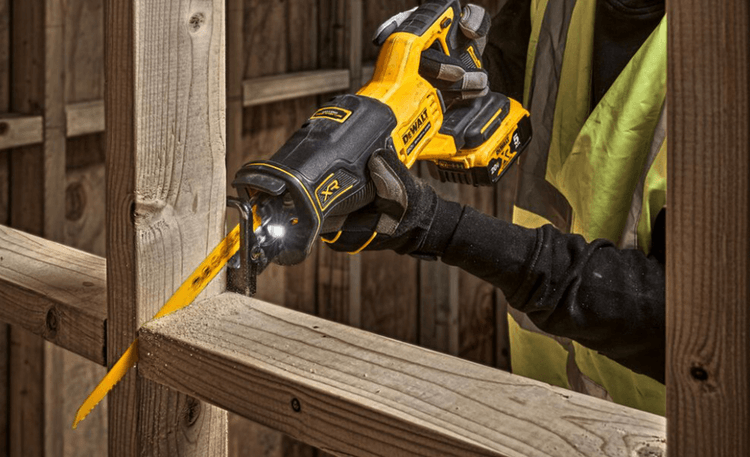
What really sets reciprocating saws apart is their compact, portable design. Unlike larger stationary saws, they can fit into areas where space is limited, such as behind walls, under cabinets, or around pipes. With the right blade, they make fast, efficient cuts, saving time on projects where precision isn’t the main priority, yet they still offer enough control for detailed work. This combination of power, flexibility, and portability makes them an indispensable tool in any toolkit.
Pros: Versatile, portable, good for demolition
Cons: Less precise, heavier use can be tiring
Saws types - Quick Comparison Table
| Saws | Primary Use | Strengths | Limitations |
|---|---|---|---|
| Table Saw | Rip cuts, precise crosscuts | Accurate, repeatable, good for sheets | Bulky, not portable |
| Circular Saw | Straight cuts, quick cuts | Portable, versatile | Less precision, requires steady hand |
| Miter Saw | Angled cuts, trim work | Accurate angles, bevels | Limited rip capacity |
| Band Saw | Curves, resawing | Curved cuts, thick wood | Slower, large footprint |
| Chain Saw | Tree felling, firewood | Fast material removal | Heavy, requires safety |
| Scroll Saw | Intricate detail cuts | Fine, precise curves | Cannot cut thick/large wood |
| Jigsaw | Curves, small straight cuts | Portable, versatile | Less precise, slower cuts |
| Pole Saw | Tree pruning | Reach high branches | Fatigue, limited power |
| Chop Saw | Metal cutting | Quick, straight cuts | Fixed, heavy |
| Reciprocating Saw | Demolition, retrofit | Versatile, portable | Not precise, tiring for long use |
Key Comaprisons
Band Saw vs Table Saw
If your projects require curved or detailed cuts, a band saw is your best bet. But if you need fast, straight cuts and high-volume work, a table saw will save you time and effort. Many workshops benefit from having both tools, using each where it excels for maximum efficiency.
Miter Saw vs Table Saw
Choose a miter saw when your focus is on precision, angled, and finishing cuts, and a table saw when you need powerful straight cuts and efficiency for larger projects. Many woodworkers find that having both tools in their workshop provides the perfect balance of precision and productivity.
Scroll Saw vs Band Saw
Choose a scroll saw for fine, detailed work, and a band saw for bigger, heavier, and more versatile cutting tasks. For woodworkers who want the best of both worlds, having both tools allows them to tackle both delicate craft projects and robust workshop tasks efficiently.
Miter Saw vs Circular Saw
Choose a miter saw for accuracy, repeatable cuts, and finishing work, and a circular saw when you need mobility, versatility, and the ability to handle larger or awkward pieces. Many woodworkers benefit from having both tools in their workshop, using each where it excels.
Jigsaw vs Circular Saw
Choose a jigsaw when you need precision, curves, and detailed work, and a circular saw when you need speed, straight cuts, and versatility for larger projects. Many DIYers and woodworkers find that having both tools allows them to handle both delicate and heavy-duty tasks effectively.
Chop Saw vs Miter Saw
Choose a chop saw when your work involves cutting metal or heavy-duty straight cuts, and a miter saw when you need accuracy, angled cuts, and fine woodworking work. For many workshops, having both tools ensures you can handle a wide range of materials and projects efficiently.
Conclusion
Choosing the right saw depends on the type of work you do, the materials you cut, and your budget. Table saws and circular saws are excellent for straight cuts, while miter and chop saws excel in precision and angled cuts. Band and scroll saws handle curves, and reciprocating and chain saws dominate demolition and outdoor work.
By understanding each saw’s strengths and limitations, you can select tools that complement your workflow, improve efficiency, and deliver better results across projects.
FAQs
1. What’s the main difference between a table saw and a miter saw?
Table saws excel at long, straight rip cuts and handling large sheet materials. Miter saws are designed for precise angled cuts, trim, and molding, but aren’t ideal for cutting large sheets.
2. Can a jigsaw replace a circular saw?
Not entirely. Jigsaws are best for intricate, curved, or detailed cuts, while circular saws are preferred for fast, straight cuts and cutting large boards efficiently.
3. When should I choose a band saw over a table saw?
Band saws are ideal for cutting curves, irregular shapes, and resawing thicker stock. Table saws are better for straight cuts, large sheets, and high-precision work.
4. Are cordless reciprocating saws as powerful as corded ones?
Modern 18V and 20V MAX cordless reciprocating saws can handle most DIY and light professional tasks efficiently. However, for continuous heavy-duty demolition, corded or high-capacity brushless models may offer more sustained power.
5. Do scroll saws work well for thick materials?
Scroll saws are primarily designed for intricate, detailed cuts in thin to medium-thickness wood. For thicker or harder materials, a band saw is usually more suitable.