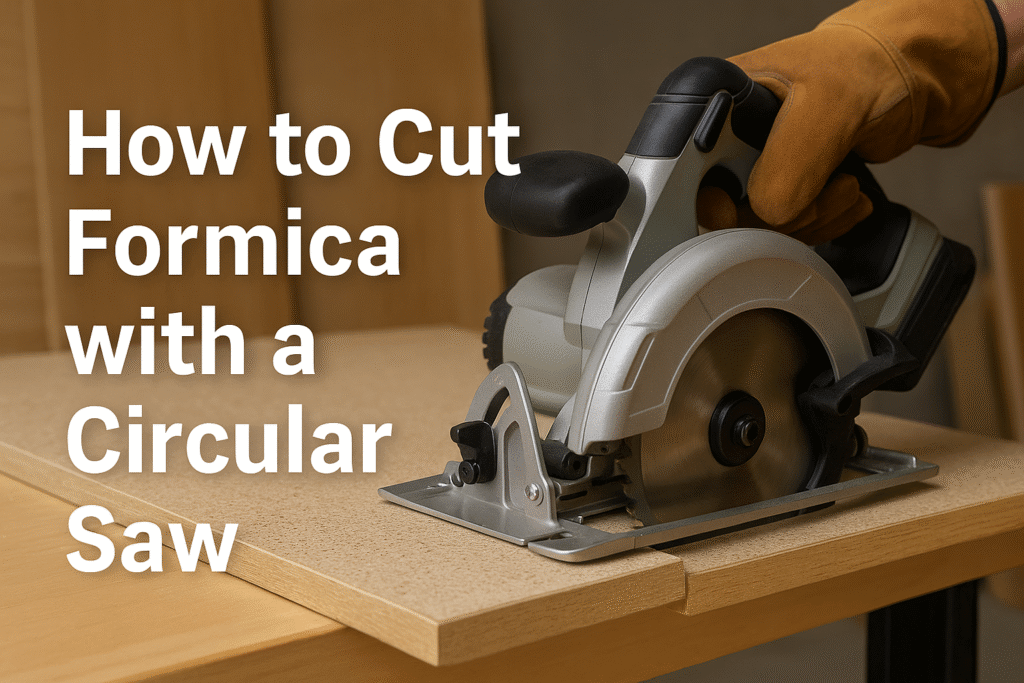
Formica has a reputation for being tough yet forgiving, which makes it a favorite for kitchen counters, garage benches, and even craft tables. Cutting it, though, scares many first-time DIYers because one wrong move can send chips flying. We’ve been there, too, and learned that a few smart steps make the job smooth and quick.
With guidance from Chris Miller, long-time woodworker and founder of SawsReviewed.com, we’ll walk through those steps so you can slice clean lines without headaches.
Formica Overview: What You Need to Know
Formica is a high-pressure laminate built from layers of paper and resin pressed together under heat. The result is a thin, rigid sheet that resists water, stains, and everyday scuffs. That toughness pairs with a friendly price tag, which is why you’ll spot Formica on countertops, cabinet doors, and shop fixtures around the country.
Its surface wipes clean with mild soap, and it shrugs off most chemicals that splash during projects. Because sheets arrive in large sizes, you can cover big areas with only a few seams, giving furniture a neat, modern look.
Essential Tools and Materials
Having the right gear on hand keeps the cut line crisp and your nerves calm. Gather the items below before firing up the saw.
Circular Saw
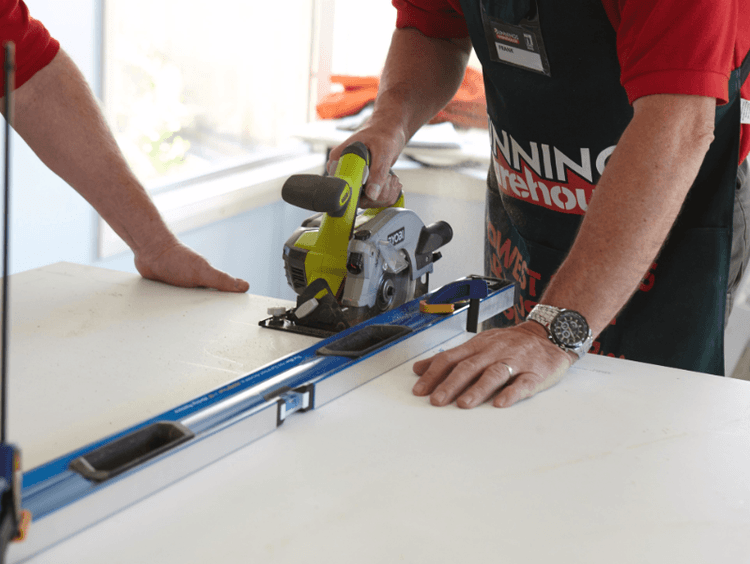
A standard corded or cordless circular saw works fine, as long as it spins a sharp, fine-toothed blade. A solid baseplate helps the tool glide across the workpiece with less chatter.
Blade Selection
Pick a carbide-tipped blade packing at least forty teeth. A thin-kerf style wastes less material and puts less strain on the motor, which means fewer burn marks at the edge.
Additional Materials
Keep these close so you are not hunting around mid-cut:
- Measuring tape for accurate layout.
- Sharpie ultra-fine marker to draw bold lines that stay put.
- Drywall square or long ruler for straight edges.
- Masking tape to reduce chip-out on the face side.
- Stable worktable, ideally covered with plywood or rigid foam.
Safety Gear
Protective items feel boring until you need them, so wear them from the start:
- Safety glasses or goggles.
- Hearing protection if your saw screams at full throttle.
- Dust mask for fine laminate powder.
Step-by-Step Guide to Cutting Formica
Chris Miller’s shop notes boil down to three phases: preparation, cutting, and finishing. Follow them in order for the best results.
Preparation
1. Measure the sheet twice, then mark the layout with the Sharpie and drywall square.
2. Stick a strip of masking tape over the line on the finished face, pressing firmly along the full length.
3. Flip the sheet so the finished side faces down on the table, which lets the saw teeth exit through the back and keeps chips off the visible surface.
Cutting Technique
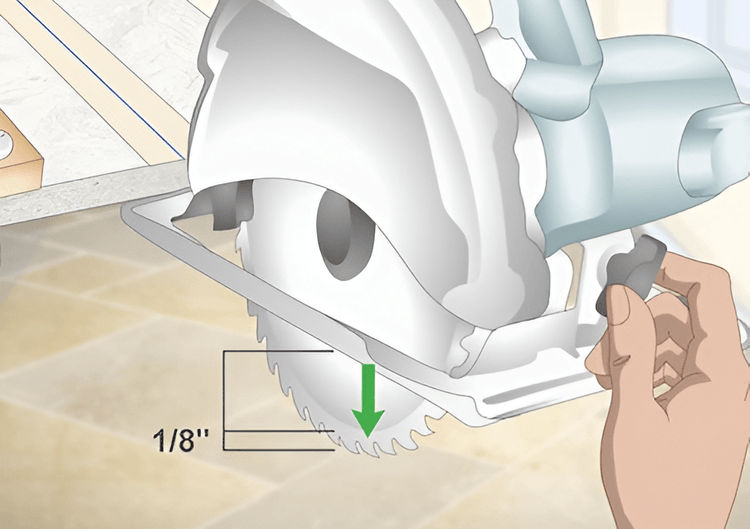
Set blade depth about one eighth inch deeper than the sheet’s thickness so the teeth clear the material without plowing into your table. Place the saw at the start of the line and let the motor reach full speed before moving forward. Keep steady pressure and follow the straightedge in one smooth pass. If you prefer, place a piece of thin plywood on top as a backer; this combo almost eliminates chip-out even with bargain blades.
Finishing
After the cut, grab a hard sanding block loaded with 320-grit paper or use a fine mill file. One or two light strokes knock down burs and leave a pleasant, safe edge. Wipe the cut with a touch of acetone to lift any marker that wandered past the tape.
Safety Precautions
Formica fragments can fly faster than you think, so eye protection stays on until the blade stops spinning. Kickback risk rises when a dull blade rubs more than it cuts, so swap in a fresh one at the first sign of smoke or binding. Always keep both hands on the saw handles and plant your feet shoulder-width apart so a sudden jolt won’t send you off balance.
Alternative Cutting Methods
Sometimes a circular saw isn’t the only, or even the best, choice. Here are a few other ways to handle laminate sheets.
Table Saw
A table saw with a fine-tooth blade gives laser-straight cuts on big panels. Drop in a zero-clearance insert to close the gap around the blade and keep chips from wedging underneath.
Laminate Scoring Tool
The scoring tool resembles a heavy craft knife with a carbide tip. Drag it along a steel straightedge several times, snap the sheet over a table edge, and you’re done. This method is quiet but demands patience and multiple passes for thick sections.
Track Saw
A track saw rides a guide rail, delivering control matched only by expensive panel saws. The built-in splinter guard hugs the blade, so chip-out is barely noticeable. It shines when breaking down full five-by-twelve sheets single-handedly.
Troubleshooting Common Issues
No matter how careful you are, small hiccups happen. Here’s how to fix the big three.
Chipping
If flakes appear along the edge, check that masking tape remains tight, lower the feed speed, and inspect the blade for missing teeth. Cutting with the finished side down also helps because most blades cut on the upward stroke.
Uneven Cuts
A wobbly worktable often causes wandering lines. Spread out a sheet of rigid foam insulation under the laminate to create even support, and clamp a straight board as a fence for the saw base.
Blade Binding
Dust buildup on the blade gums up the gullets. A quick wipe with paste wax or light blade lubricant reduces friction. Also check that off-cut pieces can fall away freely instead of pinching the kerf.
Blade Options at a Glance
| Blade Type | Typical Tooth Count | Main Advantage | Best Use |
|---|---|---|---|
| 40-tooth thin kerf | 40 | Fast, clean cut with little strain | General sheet sizing |
| 60-tooth finishing | 60 | Extra smooth edge | Visible edges on furniture panels |
| Carbide plywood blade | 80 | Minimal tear-out | High-gloss or brittle laminate |
Choose based on the project’s look and your saw’s power. Chris likes a 40-tooth for rough sizing, then moves to a 60-tooth when perfection matters.
Conclusion
Cutting Formica with a circular saw is simple and effective when done with the right preparation and technique. Use a fine-toothed blade, secure your material, and cut slowly for clean, professional-looking edges. Practice on scrap pieces first to build confidence, and your cuts will come out smooth and precise every time.
FAQ
1. Can I cut Formica without a circular saw?
Yes, you can use a jigsaw, table saw, or track saw for cutting Formica, but a circular saw with a fine-toothed blade usually provides the cleanest and fastest cuts, especially for long, straight lines.
2. Should I cut laminate from the top or bottom side?
It’s best to cut from the laminate side down. This helps minimize chipping on the visible surface, as the blade exits the material on the underside.
3. How do I prevent splintering when cutting Formica?
Use painter’s tape along the cut line, a sharp fine-toothed blade, and consider scoring the cut lightly with a utility knife before sawing. Cutting slowly and steadily also reduces splintering.
4. What is the best blade for laminate cutting?
A fine-toothed carbide blade with 60–80 teeth is ideal. The higher tooth count produces smoother, chip-free edges suitable for furniture panels and countertops.
5. Can I cut Formica while it’s glued to a countertop?
It’s possible, but not recommended for clean results. Cutting while glued can cause splintering and rough edges. It’s better to remove the laminate first or use a scoring technique before cutting in place.